
Homeowner Resources
Understanding Defensible Space
The two primary determinates of a structures ability to survive a wildfire are ignitability and defensible space. The Home Ignition Zone Guidelines help you assess the space around your home for wildfire threats. Click the button below to learn more and figure out where to start.
Understanding Defensible Space
The New Wildfire Resiliency Code
As of July 1 2026, the State of Colorado has adopted the new 2025 Wildfire Resiliency Code. This means that if you are building a new construction, or if you adding a 500+ ft addition to the home (new roof, deck, etc.) than your new construction (and therefore structure overall if adding) must meet the 2025 Wildfire Resiliency Code.
So Where Should I Start?

For more information about the Home Ignition Zones, check out the in-depth CSFS publication below. To get in depth information about your property sign up for a free Home Risk Site Visit here and learn about WAP’s Defensible Space Cost Share Program which assists homeowners in creating defensible space.
Zone 1 (0-5 feet)
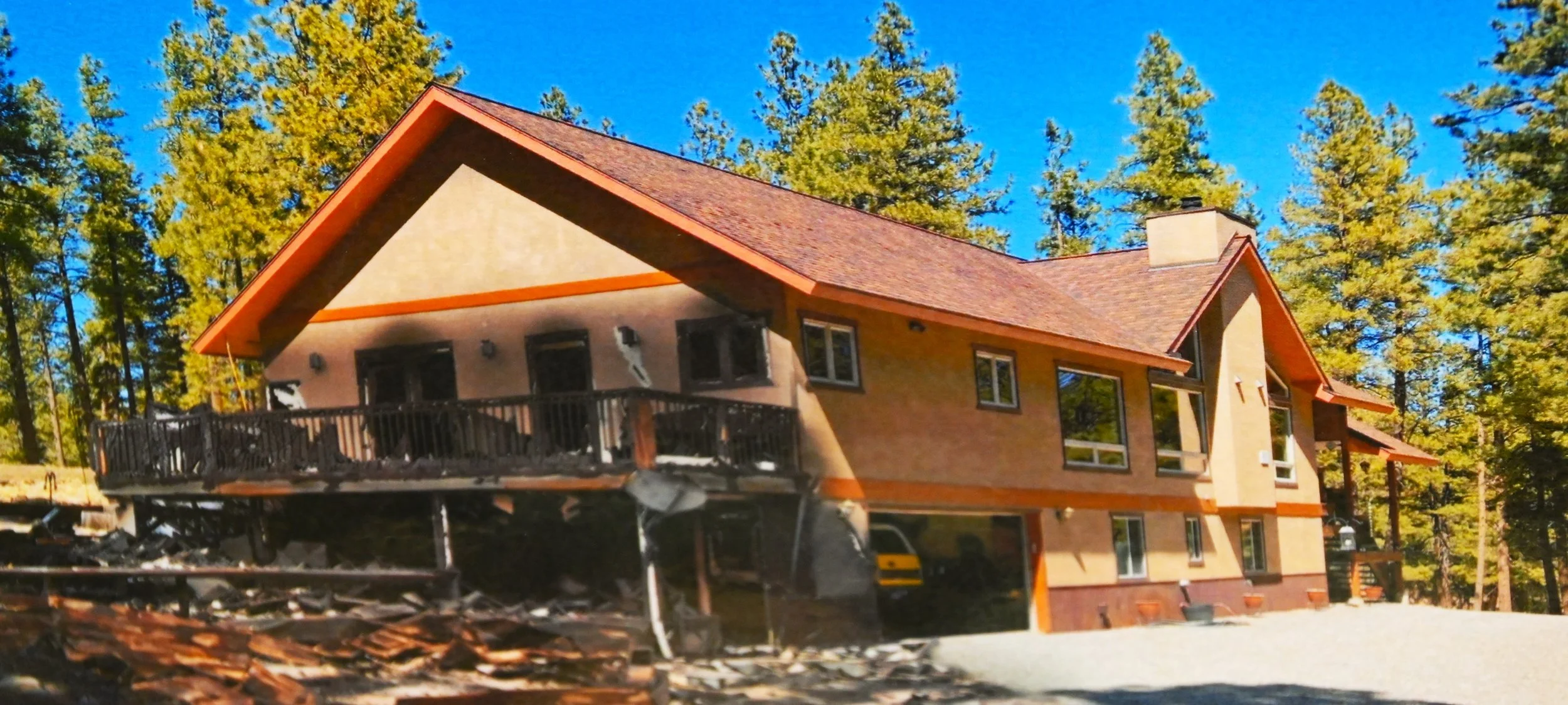
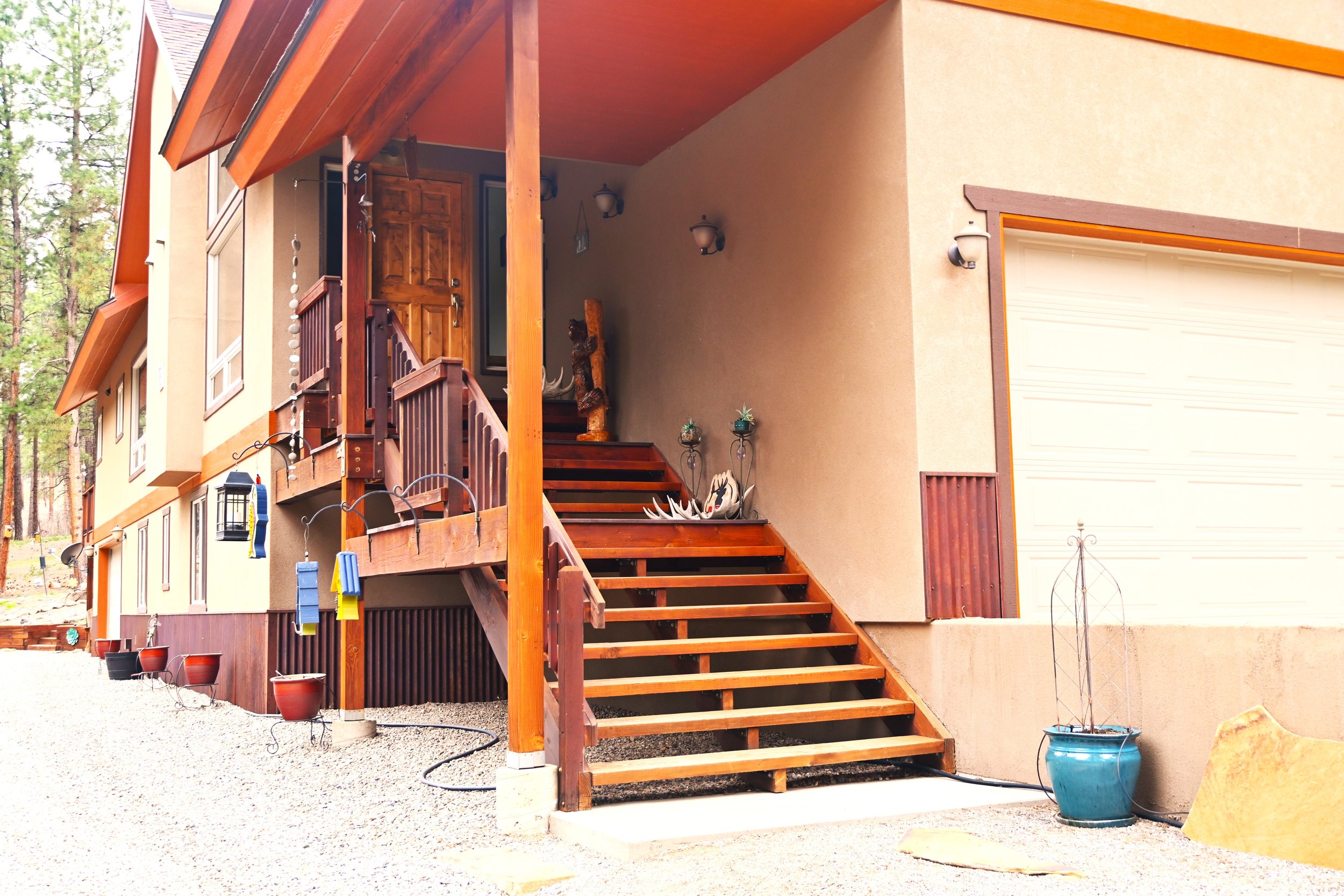
Since this is the closest to your home, it requires the most vigilance to remove flammable materials such as firewood, brush, pine needles, or tree branches. 90% of structures burned in Colorado burn because of embers landing on something flammable in the first 5 ft. Keeping 5 feet around your home clear can help protect your home and is a critical step for mitigation. Use nonflammable, hard surface materials in this zone such as rock, gravel, cement, brick, or bare earth.
To Do List:
clear gutters of debris
do not store flammable materials under deck (no woodpiles, gas cans, etc.)
No mulch within first 5 feet
Screen chimney with spark arrestor
1/8” metal mesh screen on vents around home (do NOT using mesh screening for dryer vents or radiator vents)
No pine needles, leaves, natural debris on roof or decks
Firewood stored at least 30 feet away
Limb branches 10' from structure and 6-10’ from ground
Make sure to bring inside couch cushions, rugs, flags, etc. if evacuating
Other home Hardening things to know:
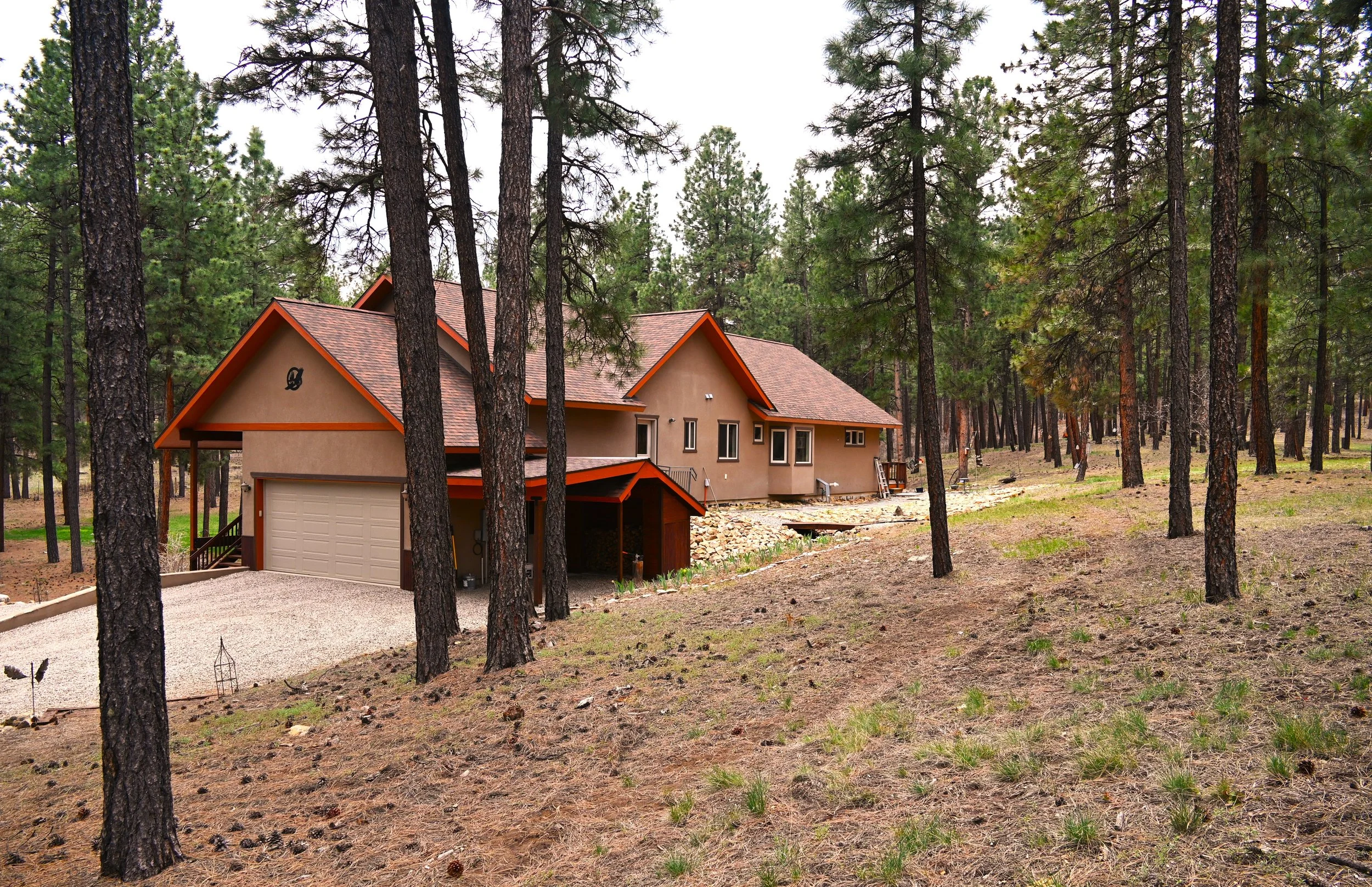
Make sure your roof is class A fire resistant roof (metal, composite shingles, etc.)
Use Fire resistant siding (stucco, siding, rock, etc)
Make sure you have Multi-pane, tempered glass, or glass block windows
Check the weather strips on your garage and outdoor doors


Zone 2 (5-30 feet)


Zone 2 is the first 5-30ft around the home. This zone is meant to minimize a fire's intensity and its ability to spread by giving the fire less fuel. Fire is going to move on the ground and into our canopies of our trees via fuel connection. A few ways to reduce this is to reduce large accumulations of surface fuels such as shrubs/slash, and allow for 15' between individual tree crowns. We also want to remove ladder fuels, which carry fire into the crowns of our trees.
To Do List:
Create 15’ clearance between tree crowns (steep slopes should increase this spacing)
Limb trees 6-10’ from ground (or 1/3rd of tree) and clear all shrubs under trees
Remove dead and dying trees
Ensure that shrubs are at least 10’ away from tree branches
Ensure that branches, slash, and chips are no more than 4” deep
Keep grasses mowed to 4” or less
While small groups or clumps of trees are acceptable, clearance around crowns should increase to 30’ if trees are in clumps
Remove common ground junipers as they are highly flammable and tend to hold a layer of flammable material beneath them.
Zone 3 (30-100 Feet)
Zone 3 aims to keep fires on the ground and improve forest health. A healthy forest includes trees of different ages, sizes, and species. Reducing ladder fuels and increasing space between tree crowns helps fires move to the ground to reduce the intensity of the fire. If Zone 3 moves beyond your property, we encourage you to reach out to adjoining property owners to complete defensible space.
To Do List:
Ensure 10’ clearance between tree crowns, or 30’ crown clearance around clumps of trees.
thin/prune shrubs. “Silo” remaining clumps to reduce the “carpet effect” across the landscape
Remove ladder fuels from directly beneath trees
Remove dead, dying, or diseased trees. OK to leave 1-2 trees that are dead per acre for wildlife habitat, as long as those trees are not threatening structures or roadways.

We encourage all homeowners in the 5-county region to have a free Wildfire Risk Site Assessment (Site Visit). At the Site Visit, a County Coordinator will survey your property with you and give you site-specific recommendations. If you are interested in utilizing one of WAP’s many incentive programs, the Coordinator can offer you instructions to move forward at that time.